Chasing the Template: Why Replicating Macallan's Fine & Rare Has Proven So Difficult
Multi-Category
Opinion
Portfolio Strategy
⊹
Nov 1, 2025
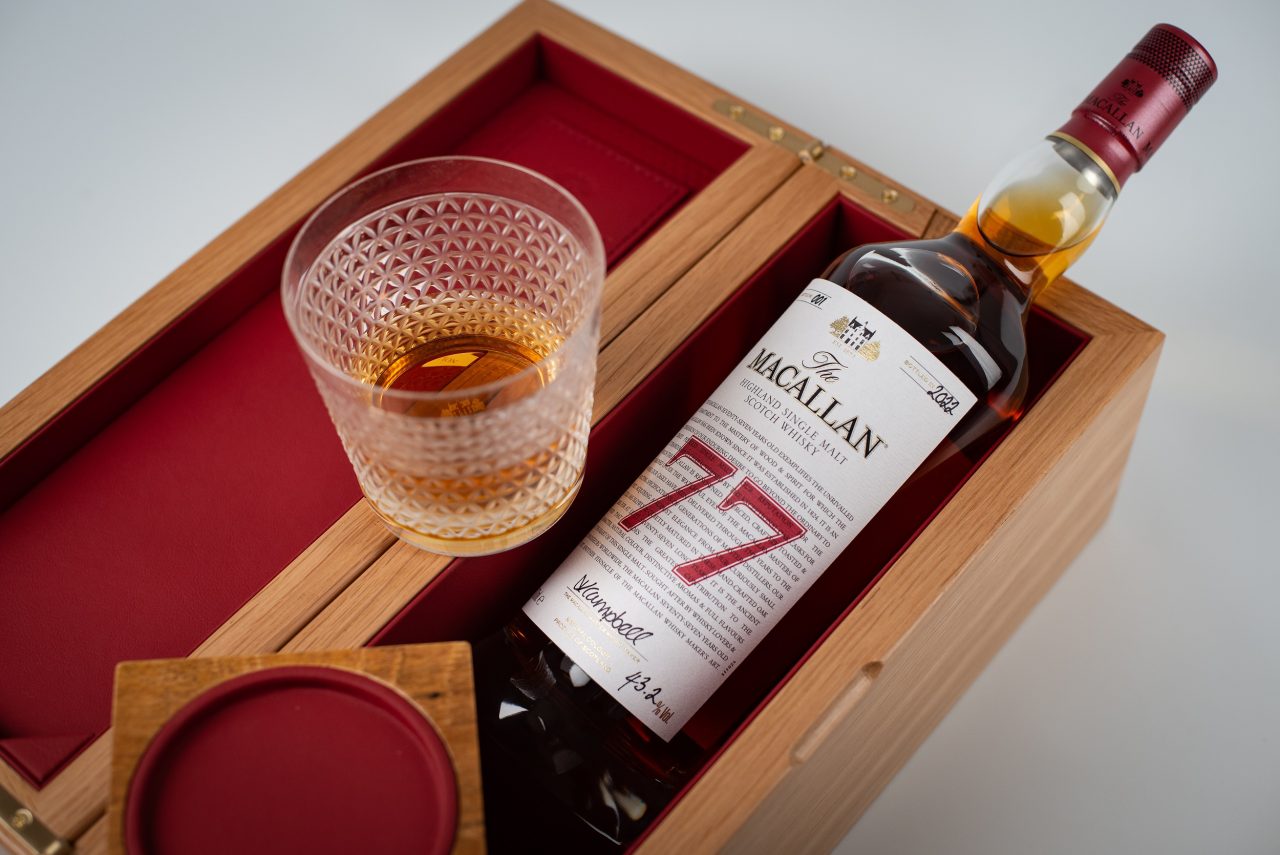
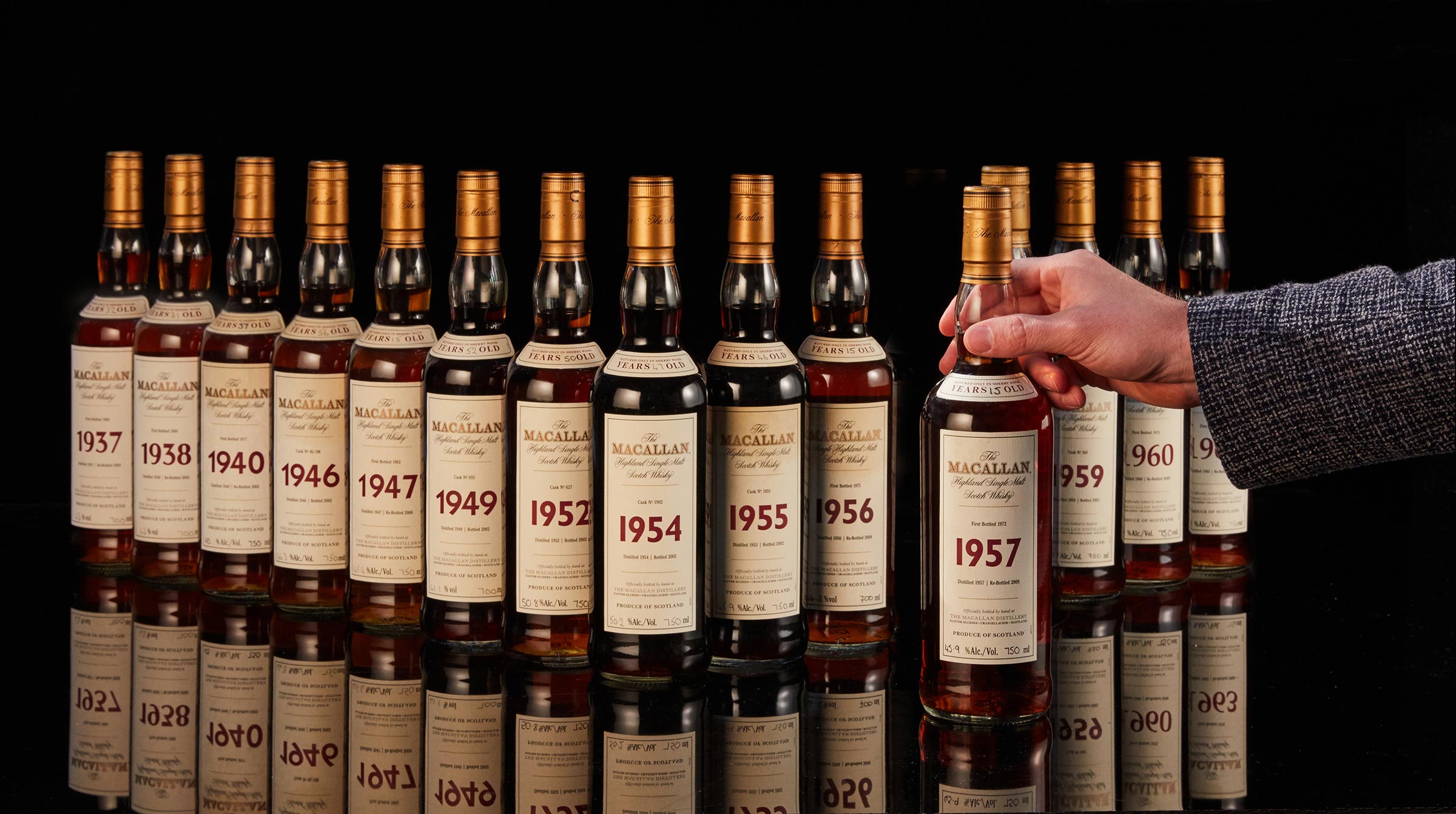
Macallan Fine & Rare established the template for investment-grade whisky collections in 2002. David Cox, then Macallan's director, conceived the programme explicitly along wine-world lines: single-cask bottlings spanning eight decades, each vintage representing a moment in the distillery's history, available à la carte for collectors to acquire progressively. The results exceeded any reasonable expectation. The 1926 60-Year-Old from Cask #263, which sold for $6,411 in 1987, achieved $2.71 million at Sotheby's in November 2023. Knight Frank's Luxury Investment Index recorded rare whisky appreciation of 428 to 582 per cent over the decade preceding 2020, with Macallan driving the category. The formula appeared deceptively simple: exceptional aged liquid, single-cask authenticity, compelling provenance, luxury presentation.
The apparent simplicity invited imitation. Over the past decade, several major producers have launched prestige collections seeking to capture similar collector enthusiasm. The Balvenie Compendium offered striking design and a genuine craft narrative but struggled with uneven storytelling across its five chapters. Diageo's Special Releases achieved something close to accidental brilliance through the annual inclusion of Port Ellen and Brora, only to see the programme hollowed out by commercial optimisation once those ghost distilleries departed. Prima & Ultima attempted to fill that gap with a conceptually ambitious first-and-last premise, but diluted its own promise by including releases that stretched the definition beyond credibility. The Hanyu Card Series demonstrated that organic scarcity and collector psychology could generate extraordinary value without corporate orchestration. And Buffalo Trace's Antique Collection proved that exceptional liquid alone cannot overcome fundamental accessibility failures. Each case illuminates a different dimension of why the Macallan template has proven so difficult to replicate.
The most successful brand-led collections share common characteristics: genuine scarcity, coherent narrative, and curatorial integrity uncorrupted by commercial pressure. Where these elements align, collections can structure and anchor a portfolio. Where they fracture, collectors should proceed with caution.
Design Cannot Compensate for Weak Storytelling
The Balvenie DCS Compendium, launched in 2015, represented the most thoughtful attempt to build a prestige collection around craft narrative. Curated by Malt Master David Stewart, whose career at the distillery began in 1962, the five-chapter series was conceived as a handover of his knowledge in both written and liquid form. Each chapter featured five single-cask whiskies spanning five decades, organised around themes reflecting Stewart's craft: distillery style, the influence of oak, secrets of the stock model, expecting the unexpected, and malt master's indulgence.
The presentation was striking. The five-bottle format, the bespoke cases, and the accompanying documentation created a genuine sense of occasion. Certain releases delivered on the promise. Chapter 5 included a 1962 56-year-old distilled during Stewart's first year at the distillery, an elegant bookend to a career spanning more than six decades. Chapter 3 offered the oldest Balvenie ever released, a 55-year-old 1961 vintage. These were bottles with stories that justified their context.
Yet the format imposed structural compromises. Five bottles per chapter, spanning five decades, meant including young whiskies alongside aged flagships. An 8-year-old and a 9-year-old appeared in luxury presentations priced at £57,000 to £80,000 per set. The storytelling for these younger expressions strained credibility. One release attributed distant smokiness to absorption from the distillery walls, a claim that requires considerable suspension of disbelief. At 50 sets per chapter globally, requiring approximately $250,000 for complete acquisition, the collection found its audience but generated limited broader enthusiasm. A Christie's auction offering Chapter 4 alongside a bespoke Balvenie Morgan Roadster failed to find a buyer.
Design and presentation create context, but they cannot substitute for the liquid and story that justify the price. Where the Compendium delivered genuine historical significance, it succeeded. Where it filled slots with young whisky wrapped in premium packaging, collectors noticed.
Accidental Brilliance Undone by Commercial Optimisation
Diageo's Special Releases programme, launched in 2001, achieved something remarkable in its early years: a showcase for Scotland's rarest liquid that built genuine collector enthusiasm through consistent quality and authentic scarcity. The programme's power is derived from two legendary ghost distilleries, Port Ellen and Brora, both closed in 1983. These appeared annually for 15 and 16 consecutive years, respectively, creating predictable excitement around genuinely irreplaceable stock.
The brilliance was partly accidental. Nick Morgan, who led the programme's development, later acknowledged that initial interest within Diageo was limited. The programme was derided by some internally as a hobbyist exercise. Only when the commercial potential became apparent did attitudes shift. That shift proved to be the programme's undoing.
Prices increased by 324 per cent between 2011 and 2015. Port Ellen alone saw a 700 per cent appreciation during this period. Then, in 2017, both ghost distilleries departed the programme as Diageo announced plans to reopen them. Port Ellen resumed production in March 2024 following a £185 million investment; Brora had reopened in 2021. The oldest and rarest remaining stocks migrated to the separately launched Prima & Ultima series, leaving Special Releases as a diminished offering. Age statements collapsed from predominantly 20-plus years to ranges as young as eight years. Retailers reduced orders or declined to stock releases entirely. Previous years' bottles appeared discounted at travel retail. The programme that once anchored collector calendars became a stripped-down version of its former self.
Prima & Ultima, launched in 2020 as the explicit successor to Special Releases' ultra-premium tier, attempted to recapture that lost prestige. The Latin name promised whiskies representing irreplaceable moments: final casks from ghost distilleries, first casks from new ventures, last vintages from specific eras. Four chapters have released to date at escalating prices: £20,000 in 2020, £23,500 in 2021, £36,500 in 2022, and £45,580 in 2023. Certain releases delivered on the conceptual promise. Convalmore 1984 came from the last stocks in Diageo's inventory, casks filled months before permanent closure and demolition. Auchroisk 1974 came from the very first cask filled on the distillery's first day of operation. Cragganmore 1971 marked the last cask filled with whisky from coal-fired stills before conversion to steam heat. These were genuine firsts and lasts, authentically unrepeatable.
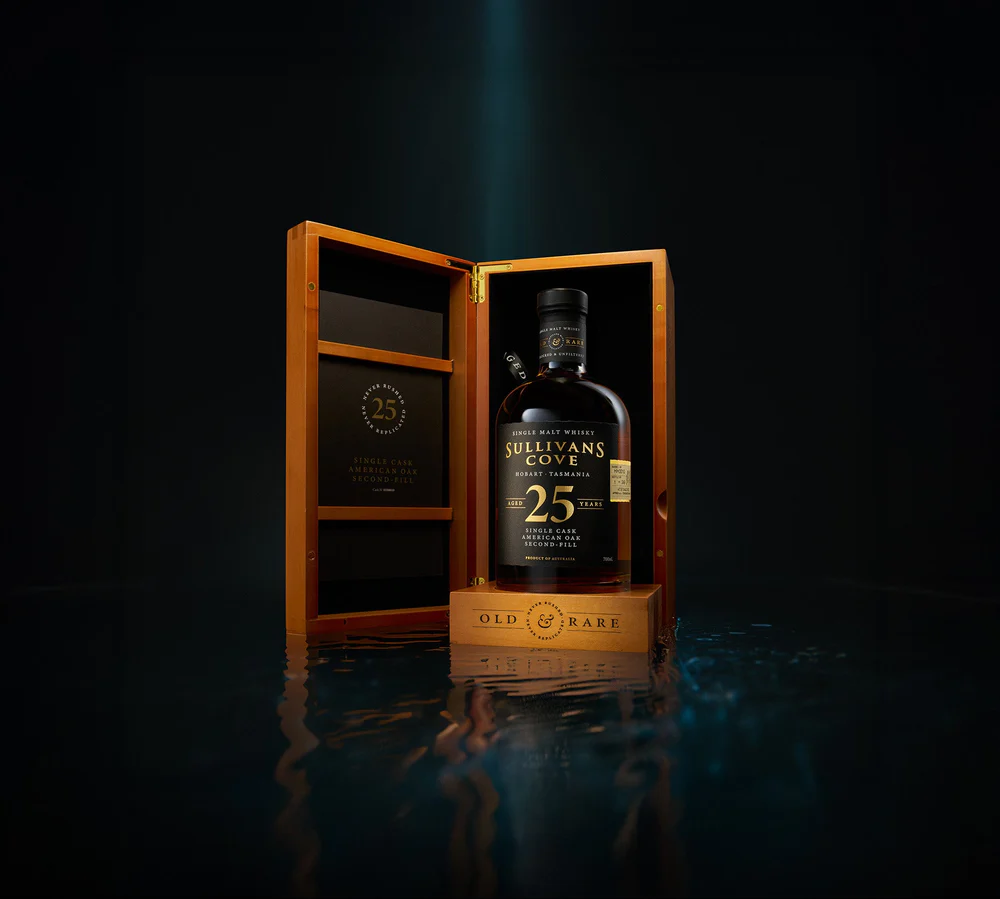
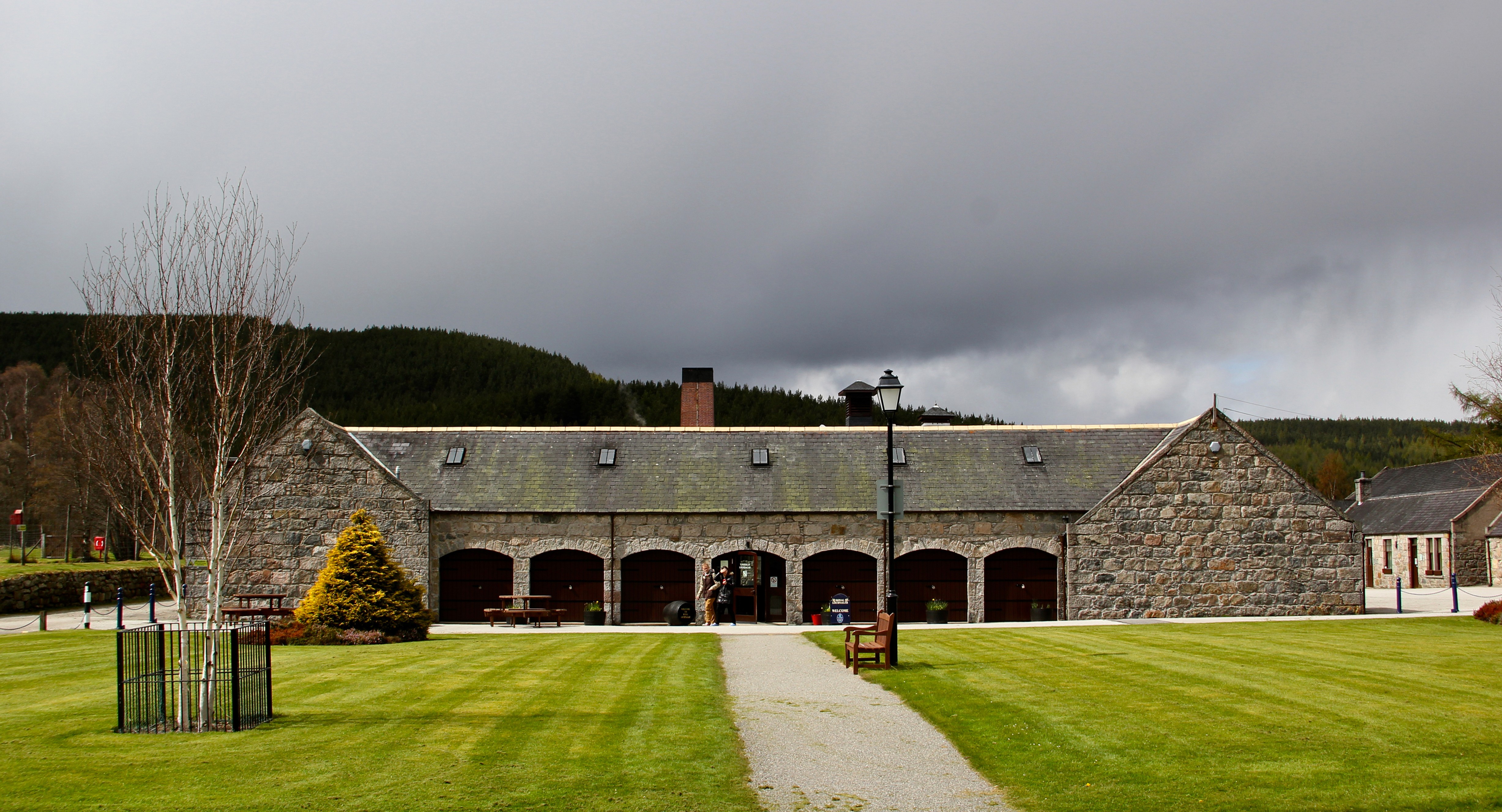
Yet the pressure to produce eight firsts and lasts annually stretched the concept beyond credibility. Lagavulin, an active and heavily released distillery, appears across all four chapters. Mannochmore joined through experimental virgin oak maturation, technically a first, but from an obscure blending distillery with minimal collector interest. Royal Lochnagar entered via a failed experiment to reduce evaporation, a story constructed to justify available liquid rather than a natural milestone. The 128 per cent price increase across four chapters signalled commercial priorities overriding curatorial integrity. Secondary market corrections followed. Brora 40-Year-Old declined 60 per cent from its 2021 peak.
Organic Scarcity Creates Value That Corporate Planning Cannot Manufacture
The Hanyu Card Series represents a fundamentally different phenomenon. When Hanyu Distillery closed in 2000 amid Japan's whisky recession, the founder's grandson, Ichiro Akuto, borrowed money from relatives to rescue approximately 400 remaining casks from being disposed of. He founded Venture Whisky in 2004 and began bottling these finite stocks under the Ichiro's Malt brand. The playing card concept, 54 cards in a standard deck plus additional variants totalling 58 expressions, emerged from a 2005 market test. Ichiro has stated publicly that he never intended the series to be collectible. The cards were simply a memorable identification system for what was essentially a liquidation exercise.
The complete-the-deck psychology proved extraordinarily powerful. Original retail prices ranged from $43 to $338. The first complete set sold at Bonhams Hong Kong in 2015 for $484,000. By 2020, a set achieved $1.52 million, the most expensive Japanese whisky collection ever auctioned. Individual cards demonstrate the scarcity premium: the King of Diamonds, with only 124 bottles produced, has sold for £60,000. The Joker Monochrome, a 1985 vintage finished in rare Mizunara Japanese oak, commands £42,500.
Hanyu's appeal derived from its authenticity of origin, born from necessity rather than marketing strategy. It derived from genuine finitude, a dead distillery's last liquid incapable of replenishment. It derived from intuitive collector psychology, playing cards creating a completable framework that collectors instinctively understood. It also benefited from community-driven appreciation, word of mouth among enthusiasts, rather than brand promotion. No amount of corporate planning could have manufactured these conditions. They emerged from circumstance, and their value grew organically as collectors recognised what they represented.
Recent market data shows a significant correction. Ultra-premium investment whiskies from defunct distilleries are trading approximately 50 per cent below 2022 peaks. The Ten of Spades sold for HK$1.25 million at Christie's in 2022 but achieved only HK$562,500 at Sotheby's in 2025. Yet even in correction, the series retains its fundamental appeal: genuine scarcity from a source that cannot be replenished, a narrative that cannot be manufactured, and a collecting framework that activates deep psychological responses. These are elements no corporate programme has successfully replicated.
Genuine Scarcity, Undervalued Opportunity
Buffalo Trace's Antique Collection presents a proposition entirely different. Launched in 2000, the collection comprises some of bourbon's most critically acclaimed expressions: George T. Stagg, William Larue Weller, Thomas H. Handy Sazerac Rye, Eagle Rare 17, and Sazerac 18. A sixth expression, E.H. Taylor Bottled-in-Bond, joined in 2025, the first addition in 19 years. Quality credentials are undisputed. Whisky Advocate scores consistently reach 90 to 95 points. The 2020 William Larue Weller was named the world's second-finest whisky. Quality control is so stringent that George T. Stagg was not released in 2021 because available barrels failed to meet standards.
The scarcity here is genuine, rooted in the physics of bourbon maturation rather than artificial limitation. American whiskey loses a far greater proportion of liquid to the angel's share than Scotch, a consequence of the climate and the requirement to use new charred oak barrels. Kentucky's temperature swings drive aggressive interaction between spirit and wood, extracting flavour rapidly but also accelerating evaporation. Most bourbon is bottled between 4 and 8 years; aging beyond a decade is unusual, and beyond 15 years is rare. The flagship expressions in the Antique Collection, Eagle Rare 17 and Sazerac 18, represent liquid that has survived nearly two decades of this process. Production is limited to 24 to 45 barrels annually for certain bottlings, not because Buffalo Trace chooses to restrict supply but because so little survives.
Current pricing does not reflect this reality. MSRP is $149.99, while secondary-market prices range from $375 to $2,600. These are significant multiples over retail, but they remain modest compared to Scotch of equivalent age, critical acclaim, and scarcity. A 17 or 18-year-old single malt from a respected Scottish distillery with comparable scores would command substantially higher prices. The Antique Collection, despite its accolades, trades at a discount to its quality. This is an anomaly that the market will eventually correct. Those who can source Antique Collection releases now, whether through specialist retailers, auction houses, or trusted connections, are acquiring genuinely scarce, critically acclaimed liquid at prices that have not yet adjusted to reflect its true market position. The correction, when it comes, will favour those who recognised the value early.
What Separates Success from Failure
Macallan Fine & Rare succeeded not through any single replicable element but through a convergence of accumulated heritage, archival depth, single-distillery narrative coherence, and timing that proved uniquely irreproducible. The distillery possessed decades of sherry-matured casks accumulated when such inventory was neither scarce nor especially valuable. The single-distillery focus created a coherent narrative arc. The à la carte approach allowed collectors to acquire selectively rather than committing to complete sets. And the brand equity built through earlier releases of the 1926 vintage, including the Peter Blake and Valerio Adami artist-labelled bottles, created mythology before the Fine & Rare consolidation.
Those who attempted to follow the template discovered that manufacturing collectibility is far more difficult than the formula's apparent simplicity suggests. Set formats impose structural compromises. Annual release pressure distorts curation. Commercial optimisation erodes authenticity. And organic scarcity, as Hanyu demonstrates, emerges from circumstances that cannot be strategically manufactured.
For collectors evaluating brand-led collections, several principles emerge. Ghost distillery releases, where they represent genuinely unrepeatable liquid, retain their appeal. Corporate-conceived annual programmes face structural pressures that historically dilute quality over time. Organic scarcity can generate extraordinary value, but the conditions that create it cannot be planned into existence. Genuine scarcity driven by production realities, as the Antique Collection demonstrates, can create undervalued opportunities for those who recognise quality before the market fully prices it in. The bottles that anchor a collection are those where scarcity, story, and liquid quality converge authentically. They mark genuine moments in whisky history rather than filling annual release slots. Recognising the difference between these categories is essential to building a collection that holds its value and, more importantly, its meaning.
Sources
Mark Littler Ltd (Macallan Fine & Rare market analysis)
Scotchwhisky.com (Balvenie DCS Compendium coverage, 2015-2019)
Whisky Advocate (Diageo Special Releases and Prima & Ultima reviews)
The Whisky Ardvark (Prima & Ultima critical assessment)
Whisky Auctioneer (Hanyu Card Series complete guide)
Bonhams, Sotheby's, Christie's auction records
Breaking Bourbon, Single Malt Savvy (BTAC accessibility analysis)
Sources
Mark Littler Ltd (Macallan Fine & Rare market analysis)
Scotchwhisky.com (Balvenie DCS Compendium coverage, 2015-2019)
Whisky Advocate (Diageo Special Releases and Prima & Ultima reviews)
The Whisky Ardvark (Prima & Ultima critical assessment)
Whisky Auctioneer (Hanyu Card Series complete guide)
Bonhams, Sotheby's, Christie's auction records
Breaking Bourbon, Single Malt Savvy (BTAC accessibility analysis)
Share This Article