The Last Casks: What Collectors Should Know About Diageo's Cask of Distinction
Whisky
Guide
Portfolio Strategy
⊹
Oct 1, 2025
Diageo's Cask of Distinction programme, established in 2017, offers something few other producers can match: direct ownership of fully matured, exceptional single casks from some of Scotch whisky's most celebrated distilleries, including irreplaceable stock from ghost distilleries like Brora, Port Ellen, and Glenury Royal. Prices range from approximately £150,000 to over £2 million. The programme is invitation-only, accessed through Diageo's private client network and partners, including Justerini & Brooks, itself a Diageo subsidiary. Each year, four master whisky makers spend over 4,200 hours selecting casks from Diageo's inventory of more than 10 million maturing casks across 28 operating and approximately 15 closed distilleries. Only fully mature casks at their peak are considered, most at least 25 years old, and none reaches the final list without unanimous agreement.
The programme operates with deliberate opacity. Pricing is undisclosed, access is controlled, and public discussion is minimal. For collectors accustomed to transparent markets, this creates uncertainty. Meanwhile, alternatives at this tier have thinned considerably. The Macallan closed its en-primeur programme years ago and subsequently required remaining private cask owners to remove their casks from Macallan warehouses. Glenfiddich, Balvenie and Highland Park offer no comparable programmes. The only genuine competitor to emerge recently is the Artisan Casks programme launched in July 2025 by the Artisanal Spirits Company, owner of the Scotch Malt Whisky Society. That programme offers casks aged at least 20 years at price points from £50,000 to £600,000, drawing on SMWS stock laid down over four decades. It represents a credible alternative at a lower entry point, though without access to Diageo's unmatched portfolio of ghost distillery liquid.
This competitive landscape raises a question for collectors: what does Cask of Distinction actually deliver, and how should it be evaluated?
The programme represents a legitimate avenue to exceptional, often irreplaceable whisky, with genuine experiential value that extends well beyond the liquid itself. However, collectors must approach it as custodianship rather than speculation. The strongest case lies with ghost distillery stocks, where finite supply guarantees eventual exhaustion and no additional casks can ever be produced.
Substance, Not Just Exclusivity
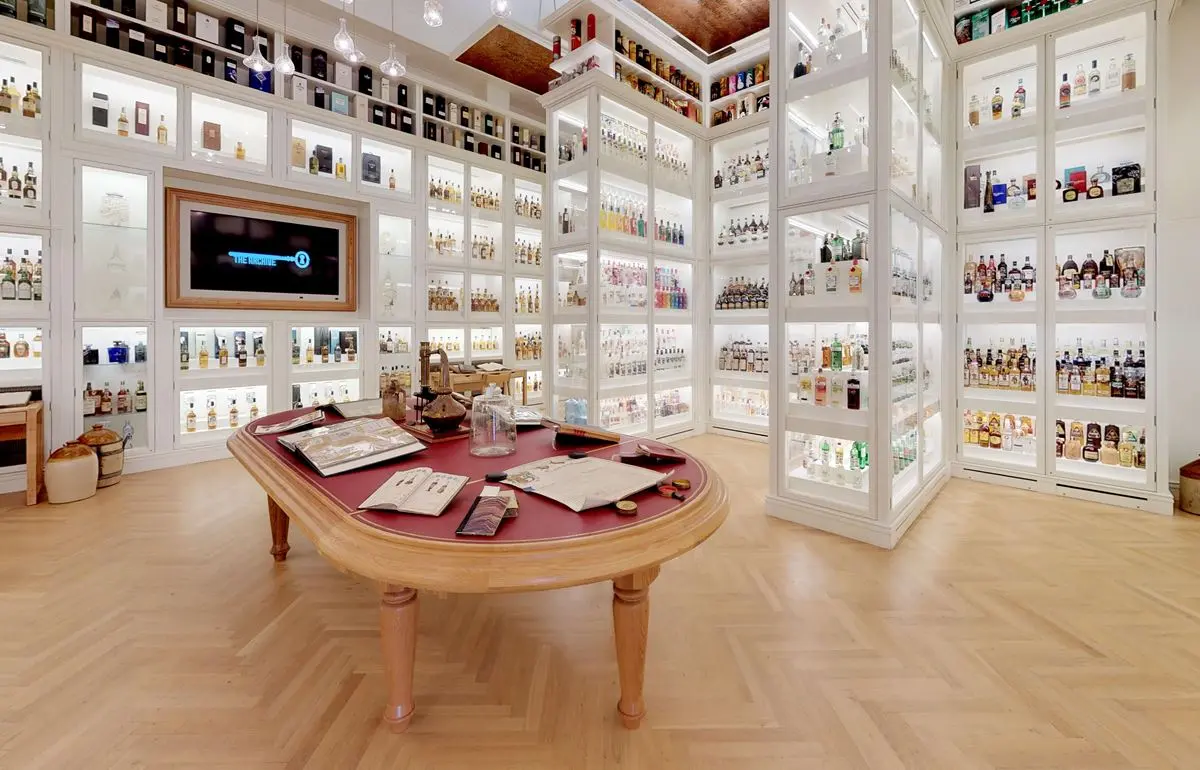
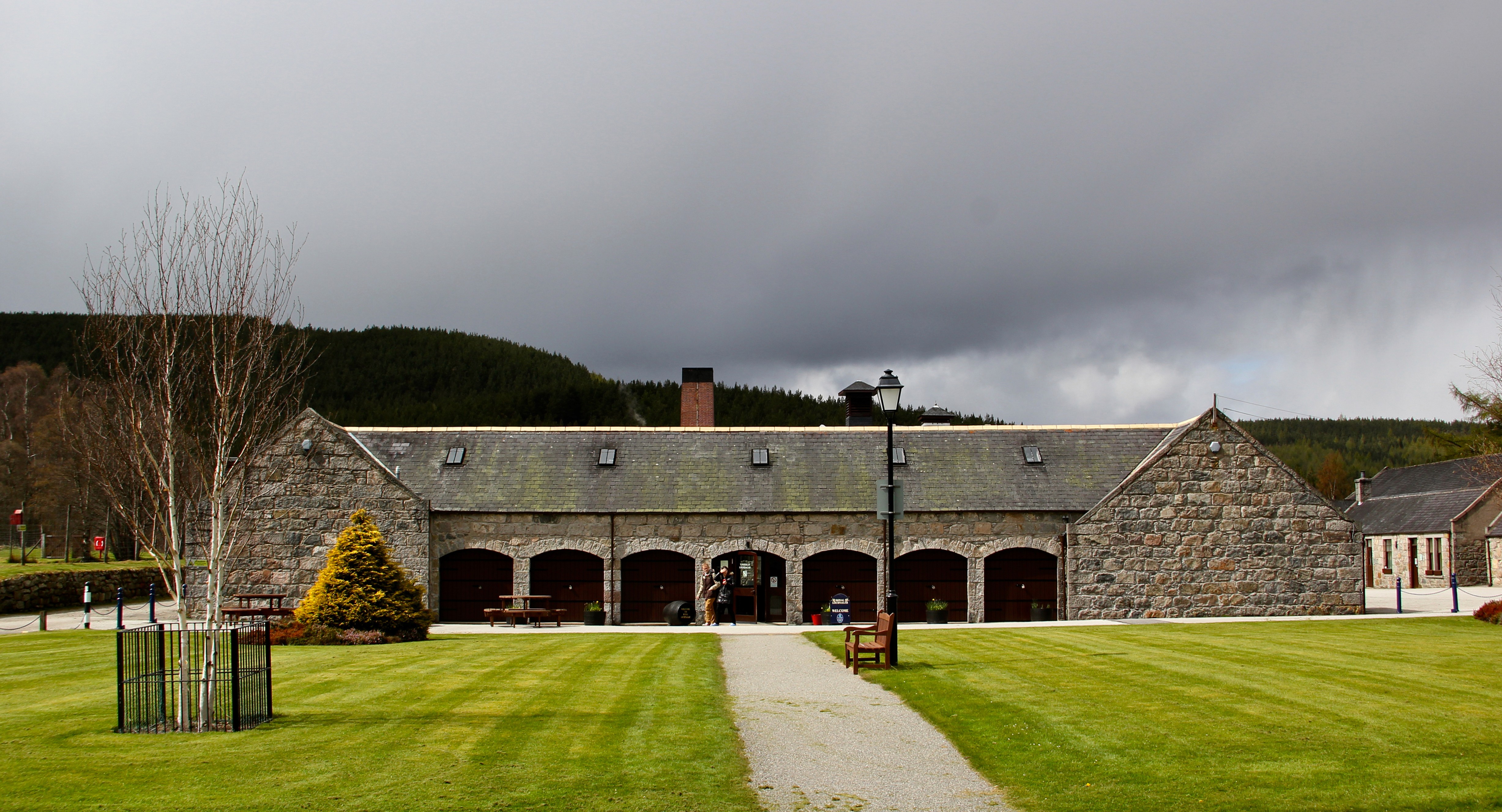
The programme delivers substance at every stage. Buyers receive a fully matured cask at its peak, selected by Diageo's four master whisky makers from an inventory no other producer can match. The selection process is rigorous: Dr Craig Wilson, Dr Emma Walker, Maureen Robinson and Dr Jim Beveridge OBE dedicate thousands of hours annually to sourcing, tasting and assessing candidates. A cask must represent a perfectly distilled and matured spirit from an exceptional distillery, at its very peak, with no room for improvement. Approved casks receive a distinctive star emblem, now recognised by auction houses worldwide as a mark of quality, and are transported to Royal Lochnagar Distillery in Royal Deeside to await their new owners.
Personalisation options distinguish the programme from standard releases. Buyers can customise label designs, select colours, commission artists to transform their cask-end into artwork, and hand-write the first labels themselves at bottling. Each bottle is serialised and hallmarked with the patron's signature, along with maturation and bottling dates. Casks can be bottled immediately or matured for up to five additional years at Royal Lochnagar, with owners receiving samples throughout to monitor development. Yields vary significantly by cask type: large sherry butts may produce up to 450 bottles, while aged hogsheads from ghost distilleries might yield as few as 102 bottles.
The experiential component proves equally significant. Owners can visit their cask, bring friends, take samples, and observe how the whisky evolves. Some choose to attend the bottling itself, flying to Scotland to watch the cask being emptied and their bottles filled. Access extends to private spaces across Diageo's distilleries and brand homes, including the private suite at Johnnie Walker Princes Street in Edinburgh. The programme also facilitates a community of like-minded collectors, with many owners dividing their bottles between personal reserves, gifts, and trades with fellow Cask of Distinction clients.
Quality is consistently high. Independent whisky specialists rate programme bottlings at 90 points and above. Reviews of Clynelish, Cragganmore and other programme releases describe complex, inviting malts with depth that justifies the investment. This is not a case of paying for a name and receiving mediocre liquid. The selection process ensures that every cask released meets a standard that Diageo's reputation depends upon.
Ghost Distillery Stocks: Genuinely Finite Assets
Diageo's competitive advantage lies in its portfolio of closed distilleries. Brora, which operated from 1819 until its closure in 1983, produced a heavily peated Highland malt now legendary among collectors. Port Ellen, on Islay, closed the same year after producing a distinctively maritime, phenolic spirit that commands extraordinary prices at auction. Glenury Royal, a Highland distillery that closed in 1985 and was subsequently demolished, exists now only in the casks that remain. Pittyvaich, a Speyside distillery that closed in 1993 and was also demolished, represents another source of irreplaceable liquid.
The mathematics here is straightforward. Every cask sold reduces what remains forever. No new stock from the closed era can ever be created. While Diageo has reopened Brora (in 2021) and Port Ellen (in 2023), these modern operations produce new spirits that will not reach maturity for decades and will carry their own distinct character. The original closed-era stock remains finite and diminishing.
Auction results confirm the value proposition. Sotheby's 2022 sale of two Cask of Distinction ghost distillery casks saw a Port Ellen 1979 exceed £1 million and a Brora 1982 sell for $842,756. The 2024 showcase featured a Brora 1977, 47 years old, estimated by industry sources at over £2 million, given the vintage and the distillery's cult status. Per-bottle economics can prove favourable compared to secondary-market acquisition: the Brora 1982 at $842,756, yielding 145 bottles, translates to approximately $5,812 per bottle, competitive with individual bottles of similar vintage that regularly sell for $10,000 or more at auction.
The Rare Whisky 101 indices show Port Ellen and Brora continuing to track meaningful collector interest despite broader market softening. These are not speculative assets dependent on fashion or sentiment. They are finite resources from distilleries that no longer exist, held by a company with the infrastructure and credibility to guarantee provenance.
Understanding What You Are Buying
Diageo explicitly positions the programme as not an investment vehicle. Casks can remain at Royal Lochnagar for up to five years after purchase, but that is the limit. This distinguishes Cask of Distinction from speculative new-make cask schemes that promise indefinite warehousing and implied returns. The programme is designed for collectors who will drink, share and gift their whisky, not for those seeking liquid assets to flip.
The Scotch Whisky Association notes that cask investment remains unregulated, with no oversight from the Financial Conduct Authority. Annual evaporation through the angel's share is approximately 2%, and storage, insurance, and bottling costs must be factored into any economic calculation. Those approaching Cask of Distinction with purely financial motives may find themselves disappointed. Those approaching it as an opportunity to own, enjoy and share exceptional whisky from sources that cannot be replicated will find the proposition more straightforward.
The Artisan Casks programme from the Artisanal Spirits Company offers a useful point of comparison. At £50,000 to £600,000, it offers a lower entry point and access to well-aged stock from distilleries such as Highland Park and Macallan. For collectors seeking private cask ownership without the seven-figure commitment of ghost distillery stock, it represents a credible alternative. What it cannot offer is access to liquid from distilleries that no longer exist. That remains Diageo's unique proposition.
A Place in the Collection
For collectors with the capital and genuine appreciation for exceptional whisky, Cask of Distinction offers something increasingly rare in the market: direct access to irreplaceable liquid from an unmatched portfolio, accompanied by experiences and personalisation that transform ownership into something more than a transaction. The closing window on ghost distillery stocks adds urgency. Once these casks are exhausted, they cannot be replaced.
The programme's opacity may frustrate those accustomed to transparent markets, and the invitation-only access ensures that casual enquiries will not progress far. This is by design. Diageo is curating not just casks but clientele, building a community of owners who share a genuine appreciation for the liquid and what it represents.
The investment case varies by distillery. Ghost distillery casks represent genuinely finite assets with strong fundamentals, offering both the pleasure of ownership and the likelihood of appreciation. Operating distillery casks depend more on personal consumption and experience value. In either case, the guiding principle should be custodianship rather than speculation. These are whiskies to be enjoyed, shared and celebrated. That they may also prove valuable is a consequence of their quality and scarcity, not the reason to acquire them.
Sources
Diageo Rare & Exceptional official programme materials
Sotheby's 2022 auction: Whisky of Distinction: Port Ellen & Brora Casks From a Bygone Era
Whisky Advocate (2024, 2025 coverage of The Twelve)
City AM: Casks of Distinction: Rare whisky for drinking, not investment
TimeforWhisky.com (independent tasting reviews)
Club Oenologique (Joel Harrison on cask investment legitimacy)
Mark Littler Ltd (cask valuation and market analysis)
The Spirits Business, The Drinks Business (Artisan Casks coverage, July-August 2025)
Artisanal Spirits Company investor announcements
Share This Article